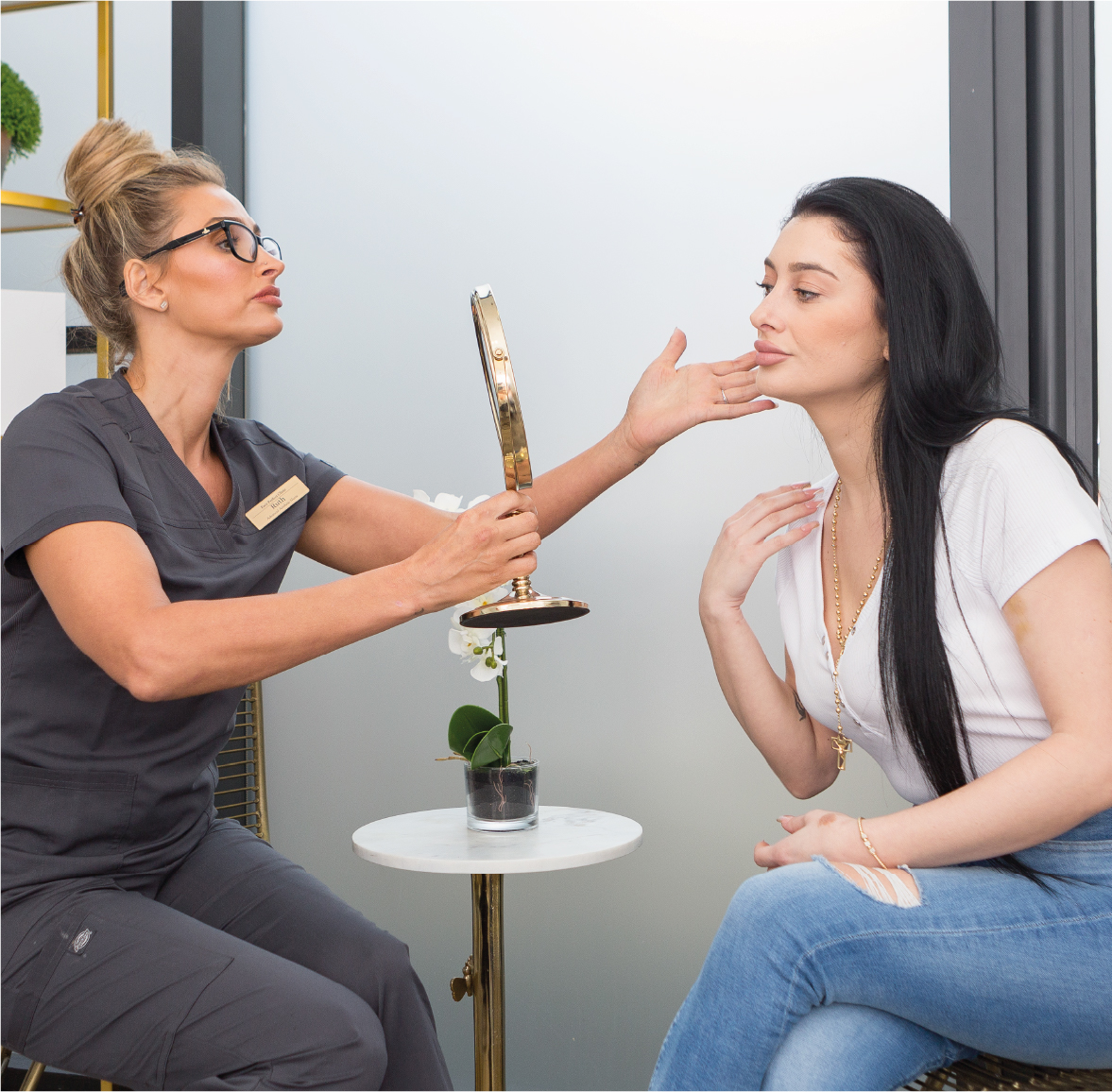
NeoGen Plasma Recovery and Results: What to Expect in the First 12 Weeks
If you’re considering NeoGen Plasma, you’ll probably want to know how much downtime to allow and when you’ll see a difference in your skin. The answers depend on your treatment plan. A gentler course and a single higher-energy treatment involve different recovery periods, even though both work by encouraging your skin to renew itself.
This guide explains what you may notice during the first 12 weeks, from the initial redness to the more gradual changes in skin texture and firmness.
The distinction is straightforward: your skin can look healed before your results have finished developing.
Learn more about NeoGen Plasma at Face Perfect
How Does NeoGen Work?
NeoGen converts nitrogen gas into plasma, an energised form of gas, and delivers it to the skin in controlled pulses. This transfers heat into the skin while initially leaving the treated surface in place.
The heat triggers a repair response, including the production of collagen, the protein that gives skin structure and support. As the treated surface sheds and the tissue underneath gradually renews, you may notice changes in texture, fine lines and firmness.
Those changes develop over time. Peeling tells you about surface recovery; it does not tell you how much improvement you’ll ultimately see.
A Single Treatment or a Gentler Course?
At Face Perfect, we can plan NeoGen as a single higher-energy session or a course of lower-energy treatments.
A higher-energy treatment creates a more intensive response and needs a longer recovery period. Allow around seven to ten days for visible redness and peeling, with the possibility of lingering pinkness afterwards. Your practitioner will explain whether you should allow longer for your particular treatment.
A lower-energy course builds treatment across several appointments. Each session generally involves less disruption, although redness, dryness or flaking can still last several days. A course may involve three sessions spaced around three to four weeks apart, depending on your skin’s response.
We’ll discuss the likely benefit alongside the recovery involved. Your skin, medical history and treatment goals matter as much as what fits your diary.
Treatment Day: Warmth and Redness
Before we begin, we’ll go through your treatment plan and aftercare. Numbing cream helps make treatment more comfortable, although you may still feel heat or stinging as the pulses are delivered. Sensation varies with the area and energy level being used.
Afterwards, your skin may look red and feel warm or tight. Some swelling is also possible, particularly with a more intensive treatment.
You’ll receive instructions tailored to your treatment. Follow these for cleansing and the products you apply, and avoid rubbing, picking or exfoliating the treated skin. Keep it protected from sun exposure throughout recovery.
Days 1 to 3: The Skin May Feel Dry or Tight
After a lower-energy session, the initial redness may begin to settle during the first few days. Your skin can feel drier or rougher than usual, with some light flaking.
After a higher-energy treatment, redness and swelling can be more noticeable. The treated surface may darken or develop a bronzed appearance before it sheds. This can be part of the expected recovery, and we’ll explain what it is likely to look like before you start.
When should you contact the clinic?
Contact us on 0113 457 2805 if pain is increasing, redness or heat is spreading, you notice discharge, or your recovery seems different from what we described. You can also call if you’re simply unsure. We’d rather assess a concern than have you try to manage it yourself.
Days 3 to 10: Flaking and Peeling
This is often the most visible stage of recovery, although the timing and amount of peeling vary.
With a gentler session, flaking may be light and settle within a few days. More intensive treatments can involve more noticeable shedding over a longer period. Peeling does not always start or finish on the same day for everyone, so avoid planning around a fixed “day seven” finish.
Let the skin shed naturally. Pulling away loose skin or using a scrub will not speed up the result and can interfere with healing.
Wait until your practitioner confirms that the skin has healed sufficiently before using make-up or restarting your usual active skincare, such as retinol or exfoliating acids. The end of visible flaking alone is not a reliable guide.
Week 2: Recovery Is Settling, but Pinkness May Remain
By this stage, much of the visible recovery may have settled. After a higher-energy session, some pinkness can remain for several weeks, even once peeling has finished.
You may begin to notice a smoother surface. It is still early to assess the overall result, particularly changes in firmness.
Continue with your aftercare and sun protection. We’ll advise when to introduce sunscreen and return to your normal skincare, based on how your skin is healing.
Weeks 2 to 4: Changes Continue Beneath the Surface
As the surface settles, the repair process continues underneath. Collagen develops and reorganises gradually, so you may not notice a clear change from one day to the next.
If you’re having a course, your next session may fall around three to four weeks after the first. We’ll check your recovery before proceeding; the date alone does not determine whether your skin is ready.
There is no need to wait until a scheduled review if you have concerns about healing or your progress.
Weeks 4 to 8: Early Results May Become More Noticeable
Over the following weeks, you may notice softer-looking fine lines, a smoother texture or a more even appearance. Changes in firmness can take longer to assess.
If your plan involves three treatments at three- to four-week intervals, your third appointment will usually fall around week six to eight. That session brings its own recovery period, followed by further time for the response to develop.
This is why a course should not be judged against the same calendar as a single treatment.
Weeks 8 to 12: Reviewing Your Progress
After a single treatment, this can be a useful point to compare your skin with your starting photographs and discuss the changes you’ve noticed. It does not necessarily represent the final result.
For a course, week 12 from your first appointment may be only four to six weeks after your last session. Your skin is still responding to that treatment, so a later review may give a more useful picture.
We’ll agree review timings around your treatment plan rather than treating 12 weeks as a deadline for results.
Your First 12 Weeks at a Glance
The timings below are a guide, measured from your first treatment. With a course, each additional session has its own recovery period.
| Time | Lower-energy course | Single higher-energy treatment |
|---|---|---|
| Treatment day | Redness, warmth and possible tightness | More noticeable redness, warmth and possible swelling |
| Days 1 to 3 | Dryness or light flaking may develop as redness settles | Skin may feel tight and develop a darker or bronzed appearance |
| Days 3 to 10 | Flaking often settles sooner, although recovery varies | More visible peeling or shedding; allow around seven to ten days, sometimes longer |
| Week 2 | Initial recovery may have settled | Surface recovery may be largely complete, with pinkness remaining |
| Weeks 2 to 4 | A second session may be due if the skin is ready | Gradual changes continue beneath the surface |
| Weeks 4 to 8 | Early changes may become noticeable; a third session may fall around week six to eight | Texture, tone or firmness may show improvement |
| Weeks 8 to 12 | Results are still developing after the later sessions | A useful review window, with further change possible |
What If You Haven’t Seen Much Difference?
The first question is how long it has been since your last treatment, and what we were aiming to improve.
A subtle change after one gentle session does not necessarily tell us how you’ll respond to the full course. Equally, we should not assume that every concern will improve simply by waiting longer.
If the result feels less noticeable than you expected, arrange a review. We can compare photographs, examine your skin and discuss whether more time or a different approach makes sense.
For your own photographs, use the same lighting, angle and distance each time, without make-up or filters. This makes gradual changes easier to judge fairly.
What Does the Research Tell Us?
Published research on nitrogen plasma supports improvements in some signs of skin ageing, but the studies are small and use different devices and treatment settings.
A 2007 study in Archives of Dermatology followed eight people receiving three lower-energy treatments, three weeks apart. Researchers reported an average 37% improvement in wrinkle scores three months after the final session. Skin samples also showed new collagen. The device was Portrait PSR, an earlier nitrogen plasma system, rather than the current NeoGen device.
A trial published in the Journal of Cosmetic Dermatology in 2019 involved 18 volunteers. One side of the eye area received three nitrogen plasma treatments while the other remained untreated. At the 14-week assessment, the treated side showed better wrinkle and pigmentation measurements. Reported short-term effects included redness, flaking, itching, dryness and temporary darkening.
These findings help explain why results are assessed over months. They do not establish a guaranteed level of improvement or a precise duration for every patient. A study average is not a prediction of your individual result.
Supporting Your Recovery and Planning Other Treatments
Give your skin time to recover and follow the aftercare we provide. Avoid adding products or home treatments in an attempt to bring results forward.
If you already use retinol or exfoliating acids, ask when to restart them. We’ll also advise when to return to exercise that causes significant heat or sweating.
Tell us about any other treatments you’re considering, including injectables, peels or microneedling. The appropriate order and spacing depend on the procedures involved, the energy used and how your skin heals. We’ll plan those appointments with you.
NeoGen at Face Perfect Clinic in Leeds
NeoGen may be considered for loose or sagging skin, fine lines and wrinkles, sun damage, some forms of pigmentation and acne scarring.
It can also be used around the eyes in suitable patients. However, under-eye bags and dark circles have different causes, so we’ll assess whether NeoGen is likely to address what is bothering you.
At your consultation, we’ll discuss what you want to improve, whether NeoGen is suitable and what level of change is realistic. We’ll explain the recovery, possible side effects and risks, alongside the treatment cost, so you can decide with a clear understanding of what is involved.
Learn more about NeoGen Plasma at Face Perfect
Frequently Asked Questions
How quickly will I see results from NeoGen?
You may notice surface changes as your skin heals, with further improvements developing over the following weeks and months. The timing depends on your treatment intensity, the concern being treated and whether you’re having a course.
Does NeoGen hurt?
Numbing cream helps with comfort, but warmth or stinging can still occur. Higher-energy treatment may feel more intense. We’ll explain what to expect and how we’ll manage discomfort before starting.
How long will I be red, and will my skin peel?
Gentler treatments may cause a few days of redness and light flaking. Higher-energy treatments usually involve more visible recovery, often around seven to ten days, with pinkness sometimes lasting longer. Your practitioner will give you a more specific estimate.
When can I wear make-up?
Once the skin has healed sufficiently and your practitioner has confirmed it is appropriate. Avoid choosing a restart date solely by counting days or checking whether flaking has stopped.
Can NeoGen treat the eyelids?
NeoGen can be used on the eyelids in suitable patients by a trained practitioner using appropriate precautions. We’ll assess the cause of your concern and explain what it can realistically improve.
Is 12 weeks the final result?
Not necessarily. Changes can continue afterwards, and a course needs to be assessed in relation to the final session as well as the first.
How long do results last, and will I need maintenance?
There is no single duration that applies to everyone. Your starting skin condition, treatment plan and ongoing skin ageing all matter. We’ll discuss maintenance after reviewing your response, rather than assuming everyone needs another session at a fixed interval.
Considering NeoGen?
If you’re interested but unsure about the downtime, a consultation is a useful place to start. We’ll help you weigh up the likely benefit and recovery involved, and explain if another treatment would be more appropriate.
Face Perfect Clinic · Leeds